
LS9 Engine Swap and Performance Applications
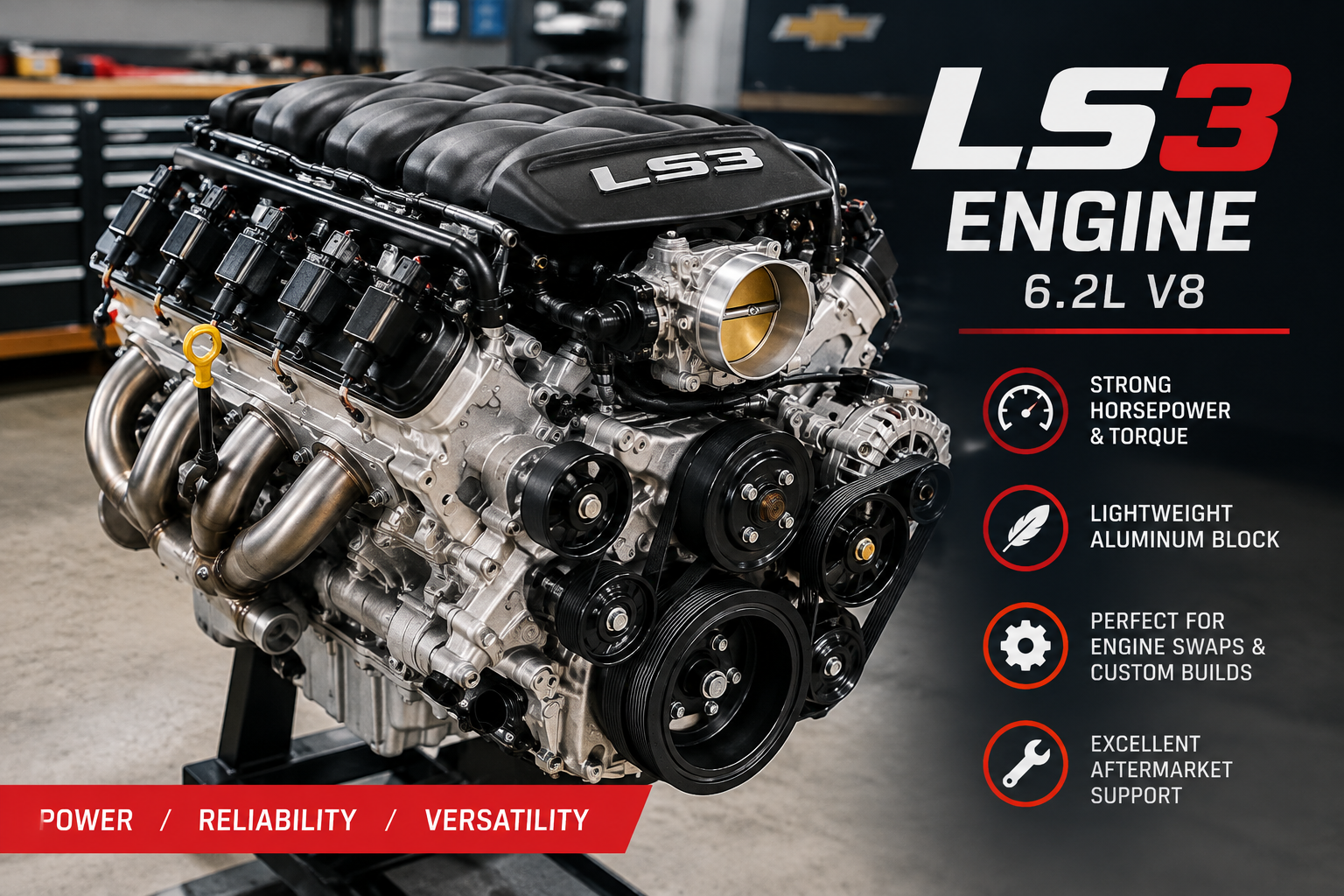
An LS9 Engine swap can be an exciting project for automotive enthusiasts who want to combine a custom vehicle with the performance of a factory supercharged V8. Originally developed for the Chevrolet Corvette ZR1, the LS9 is a 6.2-liter engine designed to deliver substantial horsepower and torque. Its compact LS-family architecture and impressive factory specifications have made it attractive for specialized performance applications.
However, an LS9 Engine swap is a complex project that requires careful planning. The engine itself is only one part of the conversion. The transmission, electronics, cooling system, fuel system, exhaust, drivetrain, brakes, and suspension must all be considered to create a reliable and properly functioning vehicle.
Why Choose an LS9 Engine?
The LS9 provides several characteristics that make it attractive for performance builds. Its 6.2-liter V8 configuration offers substantial displacement, while the factory supercharger provides forced induction without requiring an aftermarket system to be installed from scratch.
The engine was engineered for high-performance use, which means its components and supporting systems were developed around its power output.
Another benefit is the general packaging of the LS architecture. Compared with some larger engines, an LS-based V8 can offer a relatively compact installation package. This can be useful for custom builders working with limited engine-bay space.
Planning an LS9 Engine Swap
Successful engine swaps begin with detailed planning. Before purchasing an LS9 Engine, builders should determine whether the engine will physically fit into the target vehicle.
Engine mounts are one of the first considerations. Depending on the vehicle, custom mounts or conversion components may be required.
Transmission compatibility is another major factor. The transmission must be able to handle the engine's power and torque. In some cases, a stronger transmission may be necessary.
The driveshaft and differential should also be evaluated because increased power can place greater loads on drivetrain components.
Electrical and Engine Management Systems
Modern engines rely heavily on electronic control systems. An LS9 Engine swap may therefore involve substantial wiring and computer integration.
The engine control module needs to communicate correctly with sensors, fuel injectors, ignition components, throttle controls, and other systems. Depending on the vehicle, builders may use a compatible standalone engine management solution or integrate the factory electronics.
Proper calibration is essential. The engine management system controls important parameters such as fuel delivery, ignition timing, throttle operation, and other functions.
Professional assistance with wiring and calibration can help reduce installation problems.
Cooling Requirements
Cooling is particularly important when installing a high-performance LS9 Engine in a vehicle that was not originally designed for this level of output.
The radiator must have sufficient capacity, and coolant lines need to be properly routed. Fans and airflow should also be evaluated.
The supercharged engine can generate considerable heat during hard use, so the cooling system should be designed with the intended application in mind.
Ignoring cooling requirements can lead to overheating and potentially serious engine damage.
Fuel System Requirements
The LS9's performance requires an appropriate fuel delivery system. Fuel pumps, injectors, lines, filters, and regulators should all be capable of supporting the engine's requirements.
When planning a swap, builders should determine whether the existing fuel system can support the engine or whether upgrades are necessary.
Fuel quality and proper system calibration are also important for reliable operation.
Exhaust System
The exhaust system can have a significant influence on both performance and installation.
Custom headers or exhaust manifolds may be required depending on the vehicle's engine-bay layout. Exhaust pipes must also be routed around the chassis, steering components, transmission, and other equipment.
The system should provide appropriate exhaust flow while maintaining sufficient clearance from heat-sensitive components.
Brakes and Suspension
Increasing engine performance should not be considered separately from the rest of the vehicle. A car receiving an LS9 Engine may require upgrades to its braking and suspension systems.
More power can increase acceleration, speed, and drivetrain loads. The brakes should therefore provide sufficient stopping capability for the intended use.
Suspension components and tires should also be suitable for the vehicle's increased performance.
These upgrades contribute to a balanced and safer overall vehicle.
LS9 Engine Maintenance After a Swap
Once the swap is complete, regular maintenance remains important. Engine oil, coolant, belts, hoses, spark plugs, and other components should be inspected regularly.
The supercharger system should also be monitored for unusual noises or other signs of trouble.
Because a custom installation can introduce additional components and connections, periodic inspection of wiring, hoses, fuel lines, and mounting hardware is worthwhile.
Proper maintenance can help identify minor issues before they develop into larger problems.
Cost of an LS9 Engine Project
The cost of an LS9 project can vary widely. The engine itself may represent only a portion of the total expense.
Additional costs can include engine mounts, transmission components, wiring, ECU equipment, fuel-system upgrades, cooling equipment, exhaust fabrication, driveshaft modifications, brakes, suspension components, and professional labor.
For this reason, builders should create a complete project budget before purchasing an engine.
A detailed plan can reduce unexpected expenses and help ensure that all required components are available before installation begins.
Finding the Right LS9 Engine
Choosing the correct engine is an important part of the project. Buyers should verify the engine's identification, condition, mileage, maintenance history, and included components.
A complete engine package can sometimes simplify an installation because important components may already be included.
Used engines should ideally be inspected before purchase. Compression testing, leak-down testing, visual inspection, and review of service records can provide valuable information.
Conclusion
An LS9 Engine swap can create an impressive high-performance vehicle when carefully planned and professionally executed. The engine's 6.2-liter displacement, factory supercharger, strong construction, and connection to the Corvette ZR1 make it an attractive choice for enthusiasts.
However, successful installation requires attention to the entire vehicle. Transmission strength, engine management, fuel delivery, cooling, exhaust, drivetrain, brakes, and suspension all play important roles.
With proper planning, suitable supporting components, and regular maintenance, an LS9 Engine can become the centerpiece of a unique and powerful custom automotive project.


Write a comment ...